What Makes a High-End Outdoor Living Space?

Screened patio with cushioned seating and modern fire table.

High-end outdoor living isn’t about the biggest budget or the flashiest gadget. It’s about how a space feels to actually live in: the morning coffee, the long dinners, the quiet evenings, and how well it all holds up once the novelty wears off. The best outdoor spaces read as a natural extension of the home, not a bolt-on patio that happened to get expensive.

So what really separates a luxury backyard from a merely nice one? It comes down to a handful of choices most people don’t notice until they’re missing. Here’s what to look for.

Key Takeaways

  • High-end outdoor living is defined by cohesion, comfort, and craftsmanship, not by a price tag.
  • The best spaces feel like an extension of the house, with materials and lines that match.
  • Comfort features like shade, heat, and lighting are what make a space usable, not just pretty.
  • Quality materials and honest construction are what separate luxury from a quick install.
  • One well-planned design beats a yard assembled piece by piece over the years.
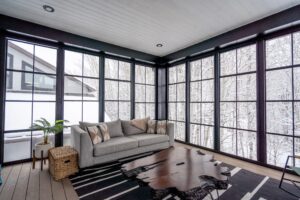
Enclosed sunroom with sofa, large windows, and modern decor.

Your Space Should Feel Like Part of the House

The quickest way to spot high-end outdoor living is to notice what you don’t notice. Nothing looks tacked on. Great outdoor living design ties the backyard to the home so closely that stepping outside feels like moving into another room rather than leaving the house entirely.

That connection usually comes from a few deliberate choices:

  • Flooring and finishes that echo the home’s materials and color palette.
  • Sightlines that link indoor and outdoor rooms, so one flows into the other.
  • A layout scaled to the house, not squeezed into whatever space was left over.

Get this right and the whole space feels intentional. Get it wrong and even pricey materials can read as a mismatched add-on.

Design With Comfort in Mind

A beautiful space you can only enjoy for two months a year isn’t really luxury. What sets a custom outdoor living space apart is comfort that’s built into the plan from the start, so the yard stays inviting across sun, wind, and cooler nights.

The features worth planning for early:

  • Shade structures or a pergola for the harsh afternoon sun.
  • Heat sources, whether a fireplace or built-in heaters, to stretch the seasons.
  • Layered lighting that shifts from bright and functional to soft and low.
  • Screens or enclosures that keep bugs and wind from cutting an evening short.

None of these are afterthoughts in a high-end build. They’re the reason the space actually gets used.
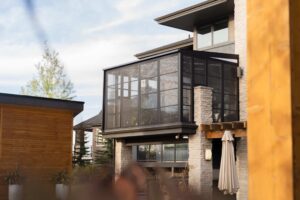
Modern elevated sunroom enclosure attached to a luxury home.

Let The Materials Do the Talking

You can feel the difference between quality and builder-grade the moment you walk on it. Luxury outdoor living spaces lean on materials that look good on day one and better in year ten, and on craftsmanship in the details you might not consciously register.

Look for:

  • Natural stone, hardwood, and quality hardscape over shortcut finishes.
  • Materials chosen for how they age, not just how they photograph when new.
  • Clean details like flush transitions, tidy coping, and utilities kept out of sight.

This is also where an older yard can be brought up to standard without starting over. Swapping tired surfaces and dated features through thoughtful outdoor renovations and upgrades often does more for the feel of a space than any single new addition.

Everything Should Work Together

A high-end backyard has a job for every corner. Rather than one big open slab, the best backyard living ideas break the space into zones that each do something well, so the yard supports how you actually spend time outside.

A well-composed space often includes:

  • A dining area near the kitchen for easy entertaining.
  • A lounge or fire zone for slower, quieter evenings.
  • A pool or water feature as a focal point, when the space allows.

The magic is in the transitions between those zones. That’s exactly where a full outdoor living design and build earns its keep, because the flow from one area to the next gets designed on purpose instead of stitched together after the fact.
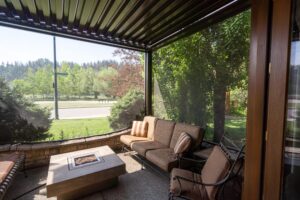
Screened patio with cushioned chairs and stylish fire table.

Plan It With One Cohesive Vision

Most backyards that feel disjointed got that way, honestly, built one project at a time over several years. High-end spaces almost always start with a single plan that accounts for how everything fits before anything gets built. A collaborative outdoor design process, with 3D renderings you can walk through before construction begins, is what lets you see the whole picture and refine it while changes are still easy and inexpensive.

Thinking About Your Own Space?

Luxury outdoor living isn’t about spending the most. It’s about making the right choices early, then building them well. If you’re weighing a new outdoor space or reimagining the one you have, reach out to the Beyond Blue team to talk through your property, your priorities, and what’s realistic for your budget and timeline.

How to Design a Backyard That Works Year-Round in the Midwest

Most Midwest backyards get used for about four months, then sit under a cover until spring. Good backyard design changes that. When a space is planned around the way our seasons actually behave- hot Julys, damp Aprils, and the odd February thaw- it earns a spot in your everyday life instead of just your summer one.

The good news is this rarely comes down to spending more. It comes down to making smarter choices early, so your yard flexes with the weather instead of fighting it. Here’s how to think it through.

Key Takeaways

  • Great backyard design starts with how you’ll use the space, not with a feature list.
  • A four-season backyard needs shade for summer, warmth for the shoulder months, and shelter from wind.
  • Midwest weather rewards freeze-friendly materials and smart drainage over trendy finishes.
  • Landscaping that holds its shape in January matters as much as summer color.
  • Splitting the yard into zones makes it more usable in every season.

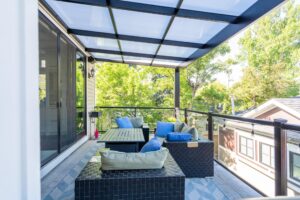
Covered balcony with outdoor seating and transparent roofing

Start With How You’ll Actually Use It

Before you pick a single paver, get honest about your habits. A yard built for weekly dinners with friends looks nothing like one built for quiet coffee and a good book.

A few questions worth answering first:

  • When are you most likely to be outside: mornings, evenings, or weekends?
  • Do you entertain groups often, or is this mostly for family?
  • What usually sends you back indoors: bugs, wind, cold, or glare?

Those answers shape everything. Year-round backyard design is really just removing the reasons people head inside, one at a time. If wind chases you off the patio by October, a windbreak matters more than a bigger grill.

Build for All Four Seasons

A four-season backyard leans on three things working together: shade in summer, warmth in the shoulder months, and shelter from wind and rain. Get those right, and you’ve roughly doubled your usable calendar.

A handful of features do the heavy lifting in cold climate backyard design:

  • A fire feature or built-in heater to take the chill off spring and fall evenings.
  • A pergola or covered structure that blocks harsh sun and light rain alike.
  • Screens or louvered panels that turn a breezy patio into a comfortable room.

You don’t need all of it at once. Even one well-placed shelter can turn a space you avoid half the year into one you reach for on a cool Saturday.

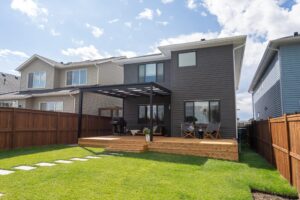
Modern backyard patio cover with wooden deck and green lawn.

Choose Materials That Can Take a Midwest Winter

This is where plenty of beautiful backyards quietly fall apart. Our freeze-thaw cycles are hard on the wrong materials. Water seeps into a hairline crack, freezes, expands, and by year three you’re looking at a heaved patio.

Smart Midwest backyard design tends to rely on:

  • Pavers instead of poured concrete, since they move with the ground and won’t crack in one big sheet.
  • Natural stone and quality hardscape that shrug off moisture and temperature swings.
  • Proper grading and drainage, so meltwater runs away from your foundation rather than toward it.

None of this is flashy, but it’s the difference between a yard that ages well and one that needs redoing. If your current space is already showing wear, this is exactly the kind of fix worth rolling into outdoor renovations and upgrades instead of patching it every spring.

Add Landscaping That Looks Good in Every Season

Summer makes any yard look easy. The real test is a gray Tuesday in January. Some of the best backyard landscaping ideas for our region focus on structure and texture that hold up long after the flowers fade.

Worth working into the plan:

  • Evergreens and ornamental grasses that keep their shape and color through winter.
  • Native plants suited to Midwest soil and rainfall, which need far less fuss.
  • Layered beds with staggered bloom times, so something’s always waking up.

Living color grounds a space, and so does a well-placed boulder or a stand of birches against fresh snow. Plan for the quiet seasons and the loud ones take care of themselves.

Think in Zones, Not One Big Slab

A single open patio is fine. A yard broken into purposeful areas is far more usable. Thoughtful outdoor living design gives each activity its own spot: a dining zone near the kitchen, a lounge around the fire, maybe a quiet corner tucked out of the wind.

Zoning also lets you use different parts of the yard in different seasons. The sunny corner shines in April; the shaded pergola saves you in July. Pulling it all together under one plan is where a full outdoor living design and build really pays off, because the transitions between spaces get designed on purpose instead of by accident.

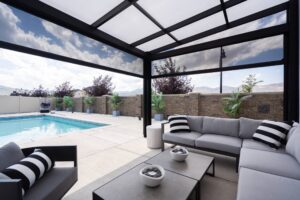
Covered poolside patio with modern sectional lounge seating.

Plan It Before You Build It

The priciest backyard mistakes tend to happen when the layout gets figured out mid-project. Seeing the whole thing first- how the sun tracks across it, where water goes, how one zone flows into the next- saves both money and regret. A collaborative outdoor design process, with 3D renderings before a shovel touches the ground, lets you catch those issues while they’re still easy to change.

Ready to Build a Backyard You’ll Use All Year?

A yard that works in every season isn’t luck. It’s a plan shaped around your home, your habits, and our particular Midwest weather. If you’re thinking about designing a new space or reworking the one you have, reach out to the Beyond Blue team to talk through your property, your goals, and what’s realistic for your budget and timeline.